
UK leading pharma manufacturer reinvented cleanroom safety by using viAct AI to cut cross-zone violations by 75% in a month
A leading pharmaceutical manufacturer in the UK, producing sterile injectables, faced persistent challenges in safeguarding cleanroom integrity. Despite stringent GMP protocols, risks remained: tailgating during shift changes, unauthorized entry into sterile zones, and unsafe cross-zone movements between chemical handling and sterile packaging lines. Manual monitoring and paper-based access logs proved unreliable, often leaving gaps during critical operations. To close these risks, the company deployed viAct AI-powered access and movement monitoring modules to protect sterile zones and maintain uninterrupted compliance with on-premise deployment to ensure sensitive production data stayed secure.

100% Tailgating Prevention
by detecting multiple entries on a single badge swipe.

75% Fewer Cross-Zone Violations
by automatically flagging improper staff transitions between zones.

60% Faster Incident Response
which allowed supervisors to intervene before contamination risks.
Company Overview
This UK-based pharmaceutical manufacturer is a leader in sterile injectables and biologics, operating across multiple GMP-certified facilities. With a strong focus on cleanroom integrity and compliance, the firm sought smarter ways to safeguard sterile zones. To address recurring risks from unauthorized entries and unsafe cross-zone movements, the company turned to viAct AI-powered video analytics to strengthen safety and ensure uninterrupted operations.
Story Snapshot
Sterile zones demanded absolute discipline, but manual checks struggled to keep pace with the speed of daily operations. Unauthorized entries and unnoticed zone changes introduced silent risks. viAct AI monitoring that was deployed on-prem gave the manufacturer constant, automated oversight, turning once vulnerable transition points into controlled gateways that reinforced cleanroom integrity.

Industry:
Pharmaceuticals

Location:
UK

Use Case:
Access (On-Prem)
The Challenge
Protecting cleanroom integrity amid complex sterile operations
For this UK-based pharmaceutical manufacturer, ensuring cleanroom integrity was a daily priority. Yet manual access checks and paper-based logs struggled to keep pace with the demands of sterile production. Tailgating often occurred during busy shift changes, when multiple staff tried to enter cleanrooms at once using a single swipe. Cross-zone violations happened when technicians moved directly from chemical storage areas into sterile zones to save time, bypassing proper clearance routes. These behaviors, though unintentional, created hidden contamination risks and weakened GMP compliance. Traditional oversight left blind spots that could escalate into product recalls, audit penalties, or costly downtime. At the same time, the company required an on-premise deployment to ensure sensitive production data stayed secure while enabling real-time monitoring of every entry and transition across sterile facilities.
Leadership recognized the need for a digital-first safety framework that could monitor every entry and transition in real time — reducing reliance on human vigilance in high-pressure sterile environments.

“Cleanroom safety isn’t just about following GMP protocols; it’s about visibility. With viAct, every access point and zone transition is monitored automatically, giving us confidence that sterile environments remain protected.”

HSE Head
UK Pharmaceutical Manufacturer
The Solution
Safeguarding Privacy While Ensuring Security Compliance
The pharmaceutical manufacturer deployed viAct’s Access Control Module for face-authenticated entry, Tailgating Detection to prevent group entry on a single swipe, and Cross-Zone Movement Monitoring to ensure workers followed designated clearance routes. These modules provided real-time visibility into sterile zone access, reducing hidden risks of contamination and compliance breaches.
“Our challenge was not just about stopping tailgating or cross-zone violations,” explained the HSE Head. “We needed a system that could do this consistently, without slowing down workflows or adding more paperwork for supervisors. viAct gave us that balance.”
Alongside safety and compliance, the manufacturer emphasized protecting worker privacy during AI monitoring. viAct system was designed to ensure that monitoring never compromised individual identity, while still delivering actionable insights for supervisors.
“The real advantage was how privacy-first the system is,” noted the IT & Data Protection Officer. “With on-prem deployment, automatic face blurring, end-to-end data encryption, and strict data minimization, we had full assurance that regulatory compliance was being met without sacrificing worker trust.”
AI-Powered Access Control with Face Recognition & Tailgating Alerts
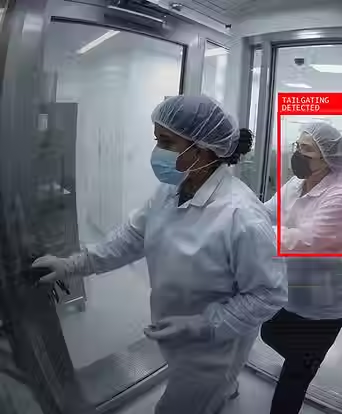
Managing sterile entry points was critical, especially during busy shift changes. viAct deployed an AI-enabled access control system equipped with face recognition technology to validate every entry in real time. The system immediately flagged tailgating incidents when multiple staff attempted to enter using a single authentication, ensuring only one person passed per valid check. Instant alerts were sent to supervisors, helping maintain strict separation between zones while reducing the chances of accidental breaches. “This proactive layer of digital access control minimized reliance on manual checks and supported traceable, regulation-ready compliance records.” added the HSE head.

Restricting Unauthorized Personnel Across Clean Zones
To strengthen sterile zone integrity, viAct implemented advanced access filtering that ensured only authorized personnel could move across designated zones. The AI-driven system continuously cross-verified identities against clearance levels before granting access, instantly blocking unauthorized transitions between sensitive areas such as chemical storage and cleanrooms. This prevented contamination risks from cross-zone shortcuts while safeguarding compliance with GMP and MHRA standards. By eliminating human lapses and enforcing zone-specific restrictions in real time, the solution gave leadership confidence that only qualified, approved staff were present where sterility mattered most.

The Impact
Digital-First Access Management for Pharma Cleanrooms
The true value of viAct went beyond blocking tailgating or cross-zone movement. Over time, the AI-driven modules built a continuous record of every entry, transition, and alert across sterile environments, creating a transparent compliance trail.
This digital record supported GMP documentation, audit readiness, and regulatory submissions, ensuring cleanroom access integrity was always verifiable. By demonstrating measurable improvements in secure access management, the manufacturer strengthened its reputation with regulators, auditors, and partners.
Real-time alerts and automated reports also nurtured a culture of accountability, boosting workforce trust while minimizing compliance risks, contamination threats, and costly downtime in sterile operations.
“viAct gave us more than compliance by proactively addressing cleanroom risks; we now run operations with greater confidence and control.”
HSE Head
UK Pharmaceutical Manufacturer